
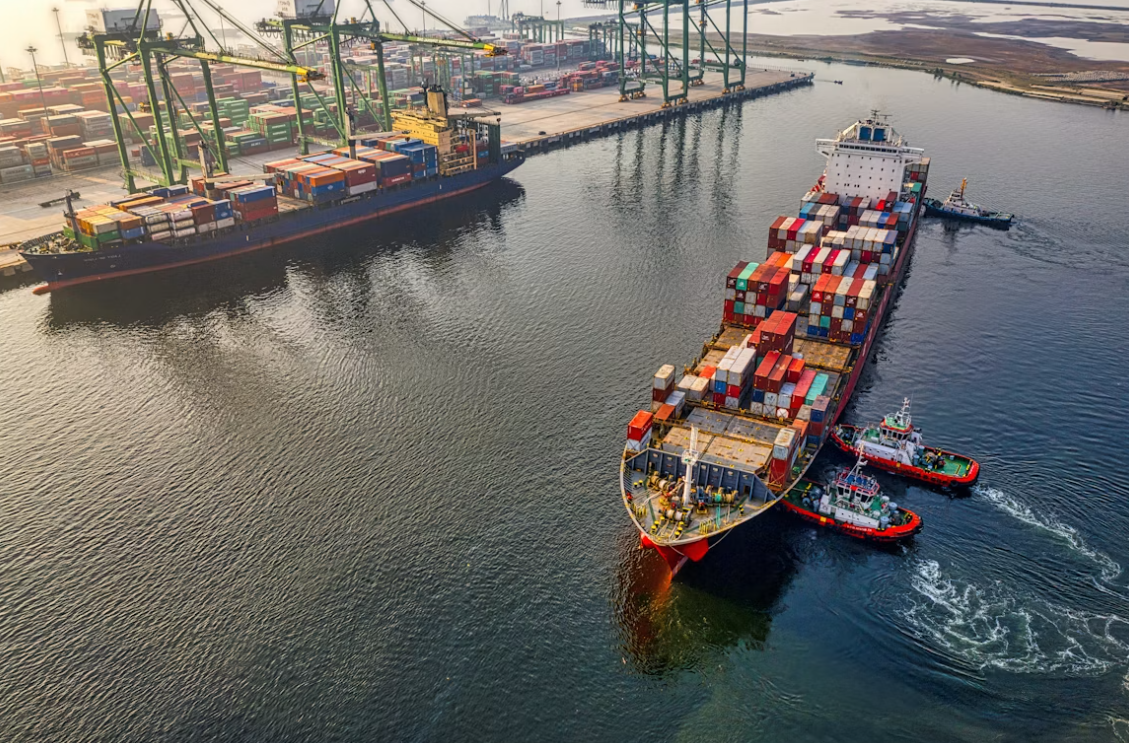
Can we be honest for a moment and acknowledge the fact that island moves are not cross-country road trips?
You cannot just throw your mattress into the back of a battered pickup truck and drive to Hawaii. You are dealing with open ocean, strict port logistics, and customs paperwork.
When I decided to ship my life over to Hilo, container shipping stood out as the only practical choice.
Instead of paying a fortune per pound to an air freight company, you rent a massive steel box, stuff it yourself, and let a cargo ship do the heavy lifting across the Pacific.
I first experienced this when relocating from the mainland.
The process is surprisingly straightforward once you accept the chaos of maritime schedules. But the real secret to a successful island move isn’t just about wrapping your furniture.
Rather, it’s about knowing what street food to eat while you wait for your cargo to clear.
Why A Steel Driveway Closet Beats Air Freight
A 20-foot shipping container essentially looks like a giant, industrial metal closet sitting in your driveway. But for island moves, it is an absolute lifesaver.
It keeps your belongings consolidated, completely weatherproofed, and sealed away from the elements.
When my container arrived, I realized island life requires a lot of gear. If you are debating options, container shipping to Hilo gives you total control over your timeline and safety.
Plus, it gives you a great excuse to stand around your driveway with a local beer, watching the neighbors wonder why you’ve suddenly gone into the international shipping business.
Don’t Underestimate Your Own Hoarding Habits
Choosing a size comes down to two major options: the standard 20-foot unit or the massive 40-foot container.
- The 20-Footer: This comfortably holds a small home’s worth of furniture or one vehicle with some extra boxes.
- The 40-Footer: This is meant for massive family homes, multiple cars, or commercial business inventory.
Take it from my own trial and error: always overestimate. I originally thought a 20-foot container would be plenty.
Then I remembered I had to pack surfboards, heavy tools, and outdoor furniture. Space ran out incredibly fast, leaving me scrambling at the last second. Go bigger than you think you need.
The Hard Lesson Of The Rusted Tool Chest
Packing for an ocean voyage is completely different from packing a standard moving truck. The salt air and intense Pacific humidity will destroy unprotected metal. You need heavy plastic wrapping, moving blankets, and industrial amounts of moisture absorbers.
I learned this the hard way during my first move when I forgot to seal my primary tool chest. By the time I opened the container in Hilo, a light layer of rust had already claimed my favorite wrenches.
Since that disaster, I use airtight wrapping and throw silica gel packs into absolutely every box containing electronics or metal.
Clearing Paperwork While Dreaming Of Loco Moco
Containers do not magically appear at your new doorstep. They drop anchor at Hilo Harbor, where port crews and agricultural inspectors go through the manifest.
You will get a frantic call from a freight agent telling you your container is ready for release, and you need to be ready to move.
When my shipment finally cleared customs, it took a full day of navigating port paperwork to coordinate the final pickup.
My advice? Do not stress the delays.
Take that day to dive into Hilo’s legendary local food scene. I highly recommend grabbing a massive, gravy-soaked Loco Moco at Towns Cafe or hunting down local street vendors for a quick spam musubi while the port logistics sort themselves out.
How To Save Cash For The Local Pubs
Pricing fluctuates wildly based on the season. If you are moving during the peak summer rush, expect rates to skyrocket.
Your total bill will be cobbled together from container rental fees, ocean freight charges, and port handling costs.
To keep your budget from spiraling, look into consolidated or Less-than-Container-Load (LCL) options if you don’t have enough stuff to fill a whole unit.
Sharing a container with another small shipment saved me a massive chunk of change – cash that was much better spent exploring the local craft beer scene once I landed.
Tracking Your Life Across A Pacific Storm
Depending on where you are shipping from on the mainland, transit times to Hilo usually range from one to three weeks.
Modern tracking tools let you watch your container’s slow journey across the ocean map, which is great until a Pacific storm hits.
During my move, a nasty storm delayed the cargo vessel by three full days. Instead of pacing around an empty house, I had already booked a temporary rental near the beach.
Expect contingencies, build an extra week into your timeline, and don’t panic when ocean weather changes the plan.
The Street Food Guy Rules For Smart Loading
After multiple international shipments, I’ve developed a few non-negotiable rules for surviving a container move:
- Label everything flawlessly: Put the origin and island destination on every single side of the box.
- Keep an explicit inventory: The port customs agents will want to know exactly what is inside.
- Balance the weight: Distribute your heaviest furniture evenly across the floor to prevent the container from tipping or shifting on rough seas.
- Ditch the floor boxes: Use cheap wooden pallets to keep your cardboard boxes elevated off the steel floor in case of condensation.
- Strictly no perishables: Do not even think about packing food, flammable liquids, or live plants, unless you want customs to impound your entire life.
Surviving Moving Day With Local Support
Once that steel box finally arrives in Hilo, do not attempt to unload it alone in the tropical heat.
Hiring a local crew who actually understands island logistics is worth every single penny. They know the port regulations, they have the right trucks, and they move fast.
When my container hit the ground, I hired two local movers to meet me. In under two hours, they had the entire container emptied, loaded onto a flatbed, and dropped at my new place.
It turned what should have been a miserable, sweaty ordeal into the easiest part of the journey.
Final Thoughts On The Big Island Transition
Container shipping might seem intimidating at first. It remains the most secure way to move. It is the most cost-effective way to get your life to Hilo intact.
You might be moving a car. You might be moving a small business. Or, you might be moving an entire household.
Success lies entirely in the preparation.
Wrap your metal. Overestimate your space. Embrace the island timeline. Finally, you will crack open that giant steel box in Hilo. You will find everything exactly how you left it. Pour yourself a rum. Enjoy the island life.