
A trip to the foothills of the Smoky Mountains rarely goes exactly the way it looks on paper. Sevierville sits at the front door of that region, and most visitors arrive with a long list and only a few days to work through it.
The town rewards people who plan loosely and leave room to change course. What follows is a practical look at how to get more out of the time you have, from pacing your days to knowing when the roads are quiet and what to carry with you.
Sorting Out Meals Before They Sort You Out
Vacation days fill up fast, and meals are usually the first thing that gets pushed to the side until everyone is tired and short-tempered. A group that waits too long to eat ends up settling for whatever is closest, which is how a good day quietly turns into a frustrating one. The simplest fix is to look for a place that reflects history and culture in its ambiance and taste.
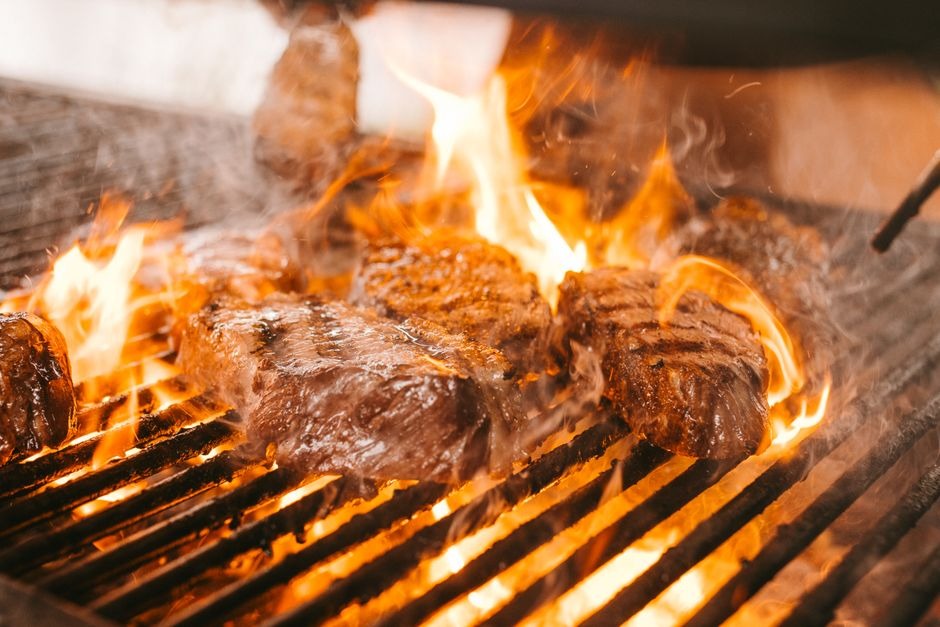
Buddy’s bar-b-q has been doing pork, chicken, ribs, and brisket on-site since 1972, and every order comes with sides and desserts made from longtime family recipes, making it one of the best places to eat in Sevierville.
Building a Schedule With Room in It
The most common mistake visitors make is stacking every hour of every day. Three planned stops per day is usually the ceiling for families with younger children, and two is often better. Leave the afternoon open. Weather shifts quickly in the foothills, lines run longer in peak weeks, and the things people remember most from a Smoky Mountain trip are rarely the items that were written down in advance. A schedule with gaps in it absorbs delays without anyone feeling like the trip fell apart.
Understanding How the Traffic Moves
Traffic patterns here follow a fairly predictable rhythm once you know it. Mornings before ten are generally clear, mid-afternoon slows considerably, and the stretch between five and seven in the evening is the heaviest. If your plans require driving any distance, put that travel at the start of the day rather than the end. Side roads and back routes exist and locals use them, though they can add mileage. Parking is easier earlier in the day at nearly every stop, which is another argument for early starts.
Choosing the Right Season
Every season here has a different character. Spring brings green hillsides and unpredictable rain, so a light waterproof layer is worth packing. Summer is warm, busy, and best handled with early mornings and slower afternoons. Fall is the most popular stretch of the year for good reason, though it also means the largest crowds and the highest lodging rates. Winter is the quietest season, and while some businesses shorten their hours, the trade-off is short waits and open roads almost everywhere you go.
Packing for a Trip That Changes
Pack for a day that does not go according to plan. Comfortable shoes matter more than anything else, since most visits involve far more walking than expected. A change of clothes in the vehicle saves a trip back to your lodging when someone gets wet or muddy. Sunscreen is necessary even in cooler months at this elevation. A towel, a refillable water bottle, and a small bag for whatever gets picked up along the way will cover most of what a normal day throws at you.
Traveling With a Group
Larger groups need a different approach than couples or small families. Decide in advance who is driving what and where you will meet if the group splits. Agreeing on a single meeting point each day removes most of the friction that comes with a big party. It also helps to let people opt out of things without any negotiation attached. Grandparents may want a slower morning while the teenagers want the opposite, and a trip that allows for both usually goes better than one that forces everyone into the same schedule. A shared group message thread keeps everyone informed without anyone having to make calls. Two vehicles often cost less in patience than one vehicle costs in waiting. Assign one person to hold the plan for each day so decisions do not stall in committee.
Budgeting Realistically
Costs add up faster than most visitors expect. Lodging is the largest line item, followed by fuel and admissions. Setting a daily number ahead of time and tracking it loosely keeps the last day of the trip from feeling tight. Family-sized options and shared purchases stretch a budget considerably, particularly for groups traveling with children. It also helps to identify one or two things that genuinely matter to your family and spend accordingly, rather than trying to do a little of everything and enjoying none of it fully. Booking ahead usually costs less than deciding on the spot. Souvenirs are worth capping at a set amount per person before the trip begins. A small cushion left over on the final morning removes the pressure from getting home.
Making Time for the Slow Parts
Some of the best moments of a trip to this area have no cost and no reservation attached. Early mornings when the mist sits low over the hills, evenings on a porch, a quiet stretch of road with the windows down. Visitors who schedule every waking hour tend to miss these entirely. Building in one unstructured block per day, even an hour, tends to be the thing people talk about long after they get home. The mountains have a pace of their own, and matching it usually makes for a better week. Children in particular need downtime to stay in reasonable spirits through a full week. Adults tend to need it more than they will admit. The trip that leaves room for nothing in particular is usually the one worth repeating.