
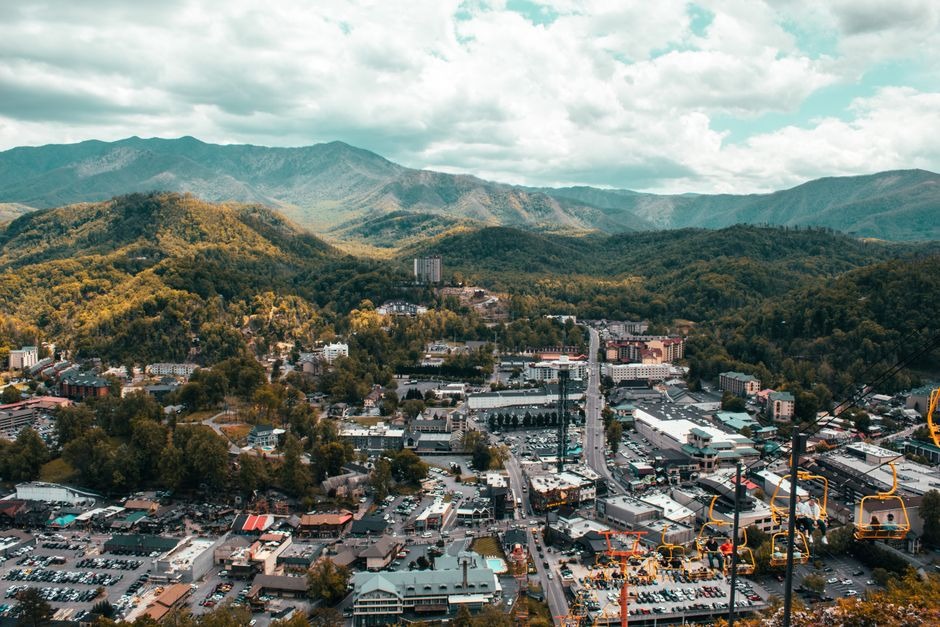
There is a particular kind of vacation day that runs on adrenaline. No museums, no leisurely lunches, nothing that requires sitting still for long. Families come to Pigeon Forge with exactly this in mind, and the town obliges more readily than almost anywhere else in the region. What separates a great day from a merely busy one is not how much gets packed in. It is knowing when to go, how to pace it, and which experiences actually deliver on what they promise.
Starting With the Ride That Sets the Tone
The first thing you do sets the standard for the rest of the day, and starting with something mild leaves everything after it feeling like a step down. One of the best ways to open a day here is with something genuinely thrilling, and riding a mountain coaster is hard to beat for that.
If you’re looking for the best mountain coaster in Pigeon Forge, you will find one that lets riders race each other rather than take turns. The Pigeon Forge Racing Coaster also allows riders to control their own speed, so the cautious and the reckless can share a run without either one being miserable. Timed runs and a leaderboard give the group something to argue about for the rest of the morning, which is exactly the note a day like this should start on.
Timing the Day Properly
Anyone who has spent an afternoon in a queue knows the value of an early start. Lines here build through the late morning and stay heavy until the early evening, particularly in summer and through October. Being out by nine changes the character of the whole day.
The middle of the afternoon is the worst stretch for almost everything. Heat peaks, crowds peak, and patience runs thin. Plan to be somewhere shaded, seated, or indoors between roughly one and four, then head back out once the day cools and the day trippers begin to leave. Evening is quietly the best time for anything outdoors, and the light is better for photographs too.
Matching Activities to the Group
Mixed groups are where thrill days most often go wrong. A teenager who wants maximum intensity and a seven-year-old who does not are difficult to satisfy with a single plan, and forcing it usually leaves one of them in tears or sulking.
Look for experiences that scale rather than exclude. Anything where the participant controls the intensity works well across ages, since everyone gets the version they want from the same activity. Where that is not possible, split the group for an hour and reconvene. Nobody enjoys watching someone else have a bad time, and the day runs smoother when people are doing what suits them.
Check requirements before you go rather than at the entrance. Height minimums, weight limits, and age restrictions vary considerably, and discovering one at the front of a line after forty minutes of waiting is a poor way to spend a morning.
Handling the Traffic
Almost everything sits along one main road, and that road is the single biggest constraint on how much you can fit into a day. During peak hours, a short hop can take three or four times as long as it should. Building a day that requires crossing town repeatedly is a mistake most first-time visitors make once.
Cluster your plans geographically. Do everything at one end of town before moving to the other, and treat the transition as a deliberate part of the schedule rather than something to squeeze in. Parking follows the same logic. Arrive early enough, and you park close. Arrive at midday, and you walk.
Eating Without Killing the Momentum
Meal times destroy more thrill days than weather does. Waits stretch past an hour at popular hours, and by the time everyone is seated and fed, the afternoon is gone. Eating at odd hours is the single easiest adjustment to make.
Lunch before noon or after two will get you in almost anywhere. Keep water and snacks in the car for the gaps, because hunger arrives faster on a physically active day than people expect. If someone in the group is prone to motion sickness, keep meals light before anything fast or spinning. That advice sounds obvious and gets ignored constantly.
Dressing for an Active Day
Closed-toe shoes are non-negotiable for most of what you will want to do, and plenty of visitors turn up in sandals and end up sitting out. Comfortable, secure footwear opens up options rather than closing them.
Layers matter here too. Mornings can start cool and turn warm quickly, and the evening drops off faster than the daytime temperature suggests. Secure any loose items before anything fast. Phones, sunglasses, and hats come off riders at speed with depressing regularity, and most of them are never recovered.
Weather and the Backup Plan
Rain arrives quickly in this part of the country, often in short heavy bursts that clear within the hour. Some outdoor activities pause during storms and resume shortly afterward. Others close for the day. Knowing which is which before you arrive saves a wasted trip.
Keep at least one indoor option in reserve for each day, not as the main plan but as something to fall back on. Families who build a rigid outdoor schedule and then lose an afternoon to weather tend to spend that afternoon arguing in a car park. A little flexibility costs nothing and saves the day.
Getting the Photographs Right
Everyone wants proof, and phones are a poor tool for capturing anything moving at speed. Many attractions handle this for you with fixed cameras positioned where the action is. Those images are usually far better than anything a passenger can manage while holding on.
If you are shooting yourself, do it from the sidelines rather than from the ride. Someone standing still with a clear view gets better results than someone attempting one-handed footage at thirty miles an hour, and they also get to keep their phone. Set expectations early with the group so nobody ends up filming the entire day instead of experiencing it.
Ending on a High Note
The last activity of the day is what people remember on the drive back, so it is worth thinking about rather than defaulting to whatever is nearest. Save something everyone enjoys for the end rather than burning it early.
Evening is also when the pace of town settles. Crowds thin, temperatures ease, and the whole place becomes more pleasant than it was at two in the afternoon. Finishing outdoors as the light goes tends to be the moment that sticks. Plan for it deliberately and the day ends on the note it deserves rather than trailing off in a queue.