
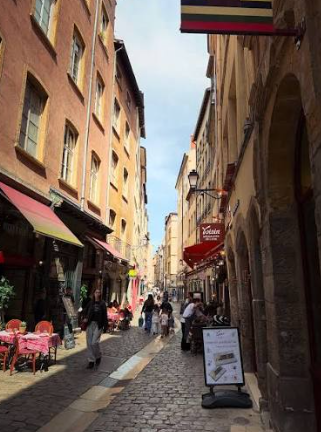
Lyon carries a reputation that few French cities can match when it comes to food. Long before Paris became a magnet for tourists chasing croissants and Michelin stars, Lyon had already earned its title as the gastronomic capital of France, built on centuries of butchers, market vendors, and cooks who turned humble ingredients into something worth traveling for. The city sits at the meeting point of the Rhône and Saône rivers, and that geography brought produce, meat, and dairy from Burgundy, the Alps, and Bresse into one compact urban center, giving Lyon’s cooking a depth that comes from abundance rather than invention.
What makes Lyon particularly appealing for food lovers is how accessible its culinary identity remains. Lyon’s food culture lives in covered markets, small family-run bouchons, and narrow passageways where locals have shopped and eaten for generations. This guide walks through the essential stops for anyone visiting Lyon with an appetite, from the famous indoor market named after a legendary chef to the hidden traboules that once moved silk. Anyone planning a street food Lyon France exploration will find that the city rewards those willing to wander off the main tourist paths.
Halles Paul Bocuse And The Heart Of Lyonnaise Produce
Named after the chef who helped define modern French cuisine, Halles Paul Bocuse is less a market and more an institution. Located in the 3rd arrondissement, this covered hall houses dozens of vendors selling cheese, charcuterie, seafood, pastries, and prepared dishes under one roof, and it has functioned this way since the 1970s. Visitors often expect a tourist trap given the name attached to it, but the majority of stalls still cater to Lyonnais residents doing their weekly shopping, which keeps the quality and pricing grounded in reality.
Cheese lovers find the market rewarding, since several stalls specialize in aging their own wheels of Saint-Marcellin, a soft cow’s milk cheese Lyon claims as a local treasure. Charcuterie stands nearby sell rosette de Lyon, a cured sausage that pairs with the region’s beaujolais wines. The market also includes small counters where visitors can sit and order a plate rather than shopping for ingredients, which suits travelers who want a sample of Lyonnaise cooking without a full restaurant meal. This makes Halles Paul Bocuse one of the essential stops in any Lyon food guide built around tasting rather than just shopping.
Many vendors have held their spots for decades, and some stalls are third- or fourth-generation family businesses. This continuity means the products sold there reflect a consistency that newer markets often lack, since these vendors depend on repeat local customers rather than passing tourist traffic.
For visitors arriving from outside France, staying connected while navigating a market this large can matter more than expected, especially when translating ingredient names or looking up a vendor’s hours. Reliable mobile data makes it easier to look up recommended stalls and stay in contact with a guide while moving through a market that can feel overwhelming on a first visit.
Practical Tips For Visiting Lyon
Timing matters when planning a food-focused trip to Lyon, since many market stalls close by early afternoon and bouchons often shut between lunch and dinner service. Arriving at Halles Paul Bocuse or Croix-Rousse market before mid-morning gives the best selection before popular items sell out. Reservations are worth making in advance for well-known bouchons, particularly on weekends, since word of mouth keeps popular tables booked days ahead.
Staying connected matters just as much as timing meals right. Many visitors use an eSIM for France to get mobile data working the moment they land, which allows them to check a bouchon’s actual opening hours, navigate the winding streets of Vieux Lyon toward a specific traboule, or look up what a dish like tablier de sapeur actually contains before ordering it. Setting this up before arrival tends to make the first day in Lyon considerably smoother.
Lyon’s public transport network, including its metro and tram lines, makes it straightforward to move between Halles Paul Bocuse, Vieux Lyon, and Croix-Rousse without needing a car. Comfortable shoes matter more than most visitors expect, since exploring traboules and market streets involves considerably more walking than a typical sightseeing day.
Cash still holds some relevance at smaller market stalls, so carrying a modest amount of euros avoids awkward moments at a cheese counter. Learning a handful of basic French food terms tends to smooth interactions with vendors who may not speak much English, particularly at the more locally oriented Croix-Rousse market.
Understanding Lyon’s Bouchons And Their Traditional Menus
A bouchon is a specific type of restaurant that Lyon claims as its own contribution to French dining culture. Traditionally small, family-run, and unpretentious, bouchons emerged from the tables that “mères lyonnaises,” working-class women cooks, once set up to feed silk workers and market traders in the 19th and early 20th centuries. The food favors hearty, unfussy dishes built around offal, pork, and slow-cooked preparations rather than the refined plating associated with haute cuisine.
Classic bouchon dishes include quenelles (light dumplings usually made from pike or veal), andouillette (a sausage made from tripe with a distinctly assertive flavor), and gratin dishes built around potatoes or cardoon, a vegetable related to the artichoke. Tablier de sapeur, a breaded and fried tripe dish, also shows up on many menus, and while these dishes may sound unusual, they represent exactly the resourceful, ingredient-respecting approach that built Lyon’s reputation.
Certified bouchons carry a designation from an association that verifies they follow traditional recipes and sourcing, though plenty of excellent unofficial bouchons operate without this label. Seeking out a certified bouchon, or asking a local for a recommendation, generally guarantees a more authentic experience than picking a restaurant based on location alone.
Portion sizes at bouchons tend to be generous, and the pacing of a meal is meant to be slow. It is common for a lunch to stretch well past an hour, particularly if wine is involved, reflecting a broader Lyonnaise attitude where eating is treated as an activity worth dedicating real time to.
Croix-Rousse Market And The Rhythm Of Local Shopping
While Halles Paul Bocuse draws visitors with its name recognition, the Croix-Rousse market offers a more grounded picture of how Lyonnais residents actually shop for food. Set up along Boulevard de la Croix-Rousse in the hilltop neighborhood historically home to Lyon’s silk weavers, this open-air market runs several mornings a week, with vendors selling seasonal produce, flowers, fish, and prepared foods from folding stalls. Among Lyon’s food markets, this one offers the clearest window into everyday local life.
The neighborhood carries a distinct, bohemian identity within Lyon even as it retains traces of its industrial silk-weaving past. Vendors here are often more willing to offer tastes or explain where a cheese or sausage comes from, since the pace feels less transactional than an indoor hall built partly around tourism.
Prices at Croix-Rousse tend to run lower than at more famous markets, and the produce reflects what is actually in season around the Rhône-Alpes region. Visiting in early summer might mean tables piled with cherries and apricots, while autumn brings mushrooms, chestnuts, and squash, giving repeat visitors a reason to return at different times of year.
For travelers assembling a picnic rather than sitting down for a full meal, Croix-Rousse provides nearly everything needed: bread, cheese, fruit, and perhaps a bottle of local wine. The neighborhood’s elevated position also means several nearby viewpoints overlook the city, making it a practical spot to combine shopping with scenery.
Traboules And The Hidden Passageways Between Neighborhoods
Traboules are covered passageways that cut through buildings and courtyards, originally built so silk workers could move fabric between workshops and the river without exposing it to weather. Concentrated mainly in Vieux Lyon and Croix-Rousse, these passages number in the hundreds, though many remain private or only partially accessible. For food-focused visitors, traboules matter because they connect market streets, small bakeries, and neighborhood bouchons in ways main roads do not reveal.
Walking through a traboule feels different from ordinary sightseeing, since these passages often open unexpectedly into quiet courtyards lined with old stone and wrought-iron balconies. Some of Lyon’s most well-regarded small food shops sit tucked along these routes precisely because rent has traditionally been lower away from the main thoroughfares, and locals use traboules as shortcuts to favorite bakeries or cheese shops.
Several traboules in Vieux Lyon connect directly to streets known for their concentration of bouchons, meaning a single walk can pass through a hidden courtyard and emerge steps from a restaurant serving quenelles. This layout rewards visitors who wander rather than follow a strict itinerary, since some of the most memorable discoveries happen by accident.
Because many traboules pass through technically private residential buildings, visitors should keep noise levels down and avoid lingering inside courtyards that serve as someone’s home entrance. A handful of the most historically significant traboules are marked with small plaques or included on official walking tour maps from the tourist office.
A City That Rewards Curiosity At The Table
Lyon’s food scene resists being reduced to a single must-try dish or a single essential market, because the city’s culinary identity is built from the accumulation of many small experiences layered on top of each other. A morning spent wandering Halles Paul Bocuse, an afternoon lunch at a certified bouchon, a walk through Croix-Rousse’s open-air stalls, and an unplanned detour through a traboule together capture something that no single stop could deliver on its own. Travelers who arrive expecting one legendary restaurant to define their trip often leave having found their favorite meal at an unmarked stall or a modest neighborhood bouchon instead.