
Introduction
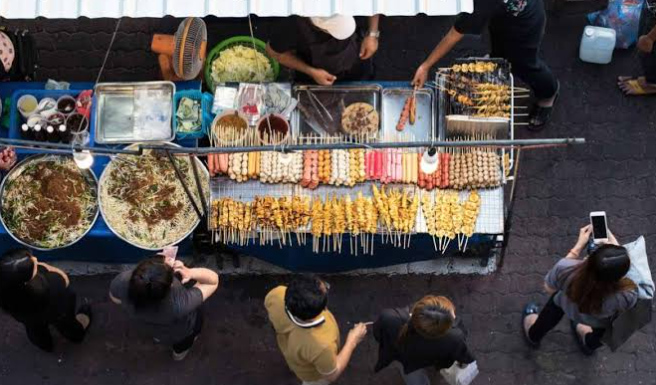
Few things say more about a place than what’s sizzling on its pavements. A noodle cart in a crowded Asian market and a tiny stall tucked into a European side street have something in common: both serve food shaped by the history, culture and daily rhythm of the people around them. For a long time, street food was mainly a cheap, quick meal for locals on their lunch break. It has since become a reason to book a flight. For many travellers now, wandering a food market and trying the local specialities is as much a part of the trip as any museum.
The rise of street food tourism shows how a simple plate can bring visitors closer to the people who cook it. A paper bowl of something unfamiliar often teaches more about a region’s traditions and identity than a guidebook ever could.
The Historical Roots of Street Food
Selling food on the street is nothing new. It goes back centuries, especially in towns where people needed something filling that didn’t cost much. In ancient civilisations, vendors set up near markets, public squares and busy roads with meals ready to eat on the spot. Workers, traders and travellers relied on them, since many had no kitchen to cook in. A hot bowl from a roadside pot was often the only proper meal of a long day.
As the years went by, each place developed its own flavour. Cooks worked with whatever vegetables, grains, spices and meats grew nearby, and recipes took shape around local tastes and techniques. Plenty of dishes now famous across the globe started life as humble fare sold from a cart or a basket.
That history is why street food tends to mean more than a quick bite. It carries cooking knowledge that’s been handed down from parent to child, and it shows how communities have adjusted their traditions over generations. A grandmother’s spice blend can quietly survive a hundred years this way.
How Street Food Became Part of Global Tourism
More and more travellers see food as one of the best ways to get to know a new place. Historic sites and natural wonders still draw the crowds. Alongside them, though, plenty of tourists want to see how locals actually live, what they eat on an ordinary Tuesday and how they mark their celebrations.
Street food makes that easy. Markets, roadside stalls and neighbourhood vendors let visitors try regional flavours without paying for a fancy restaurant. A plastic stool on a busy corner can offer a better meal than a white tablecloth.
Bangkok, Istanbul, Mexico City and Singapore are all known for their rich street food scenes. Each city has its own signature dishes, shaped by geography, migration, history and local habits.
Hunting down good food also pulls visitors away from the usual tourist trail. A tip about the best dumplings in town might lead them to a quiet residential street, a family-run shop and a chat with the people who live there.
Regional Cuisines and Their Cultural Importance
Every region has a street food character of its own, built from local produce and past influences. In Asia, stalls are often piled high with noodles, rice dishes, grilled meats, dumplings and punchy sauces. Cooks tend to pair old techniques with whatever is fresh at the market that morning.
Across Latin America, tacos, arepas, empanadas and all sorts of corn-based treats are everyday staples. They carry indigenous traditions alongside flavours that arrived over centuries of trade and cultural mixing.
In the Middle East, falafel, shawarma, kebabs and flatbreads warm from the oven are hard to walk past. These foods show how much spices, grains, vegetables and regional cooking methods matter to daily life.
African street food is just as varied. Grilled skewers, fried snacks, hearty stews and breads made on the spot are part of ordinary meals for millions of people, eaten on the way to work or shared at the end of the day.
Seeing these differences up close helps travellers understand how food ties a community to its history and heritage. A falafel wrap eaten standing up in a busy square can say more about a place than a whole afternoon of sightseeing.
Street Food’s Contribution to Local Economies
Street food tourism can make a real difference to local livelihoods. Small vendors, family businesses, farmers and suppliers often gain when visitors start seeking out traditional dishes.
Every snack bought from a local stall puts money straight into a small business. That spending can create jobs and give younger people a reason to keep their family’s cooking methods alive rather than leaving them behind. A teenager who sees tourists queuing for their grandfather’s recipe is far more likely to learn it.
A busy market can turn into a sightseeing stop of its own. Once that happens, money tends to follow into nearby squares, roads, lighting and festivals.
There is a catch, though. Growth needs to be handled with care. Too much commercialisation can push prices up or water down recipes to please visitors, and a dish toned down for tourists isn’t quite the same dish anymore. Meeting visitors halfway without losing local character is what keeps these traditions genuine.
The Role of Social Media in Popularizing Street Food
Online platforms have changed the way travellers find places to eat. Photos, travel videos, restaurant reviews and cooking clips let people explore unfamiliar cuisines long before they board a plane. Plenty of trips are now planned around something spotted while scrolling late at night.
A dish that looks good on camera can quickly attract attention from around the world, and travellers start adding particular markets and stalls to their plans. Social media also gives small vendors a way to reach people far beyond their own neighbourhood. A stall owner with a phone and a steady hand can suddenly have customers from three continents.
Hardly a meal abroad goes unphotographed these days. Visitors snap colourful plates and memorable dinners so the moment doesn’t fade. Creative editing features can give these photos extra personality. A traveller might, for example, use tools to add heart to photo shots of a favourite dish, a birthday dinner at a night market or a stall worth remembering. Small touches like that can make travel pictures more appealing when shared online.
Still, being popular online doesn’t capture everything a dish means. Travellers who take the time to learn about its ingredients, how it’s made and the traditions behind it come away with a far deeper understanding. The story behind the bowl is often the best part.
Challenges and the Future of Street Food Tourism
For all its popularity, street food tourism has its share of problems. Hygiene, waste, shifting city regulations and rising costs can all hit small vendors hard. Heavy tourist demand can also put strain on traditional markets and the communities around them. A lane that once fed locals can end up too crowded for them to use.
Responsible tourism goes a long way towards easing these pressures. Visitors who respect local customs, pick clean and well-run stalls, cut down on waste and support independent vendors wherever they can make a genuine difference. Something as small as skipping a stack of plastic cutlery helps more than it seems.
Technology, changing tastes and international travel will keep shaping street food culture in the years ahead. Old family recipes and local ways of cooking aren’t going anywhere, though. The cart may change. The recipe usually doesn’t.
Conclusion
Street food has grown from a handy everyday meal into a major part of global tourism. It introduces travellers to regional ingredients, historical traditions and local ways of life while opening up opportunities for small businesses. Most of all, it brings visitors and residents to the same counter.
As food tourism keeps growing, street food will remain one of the most rewarding ways to understand another culture. The flavours draw people in. What keeps them coming back are the people, stories and customs behind each plate.