
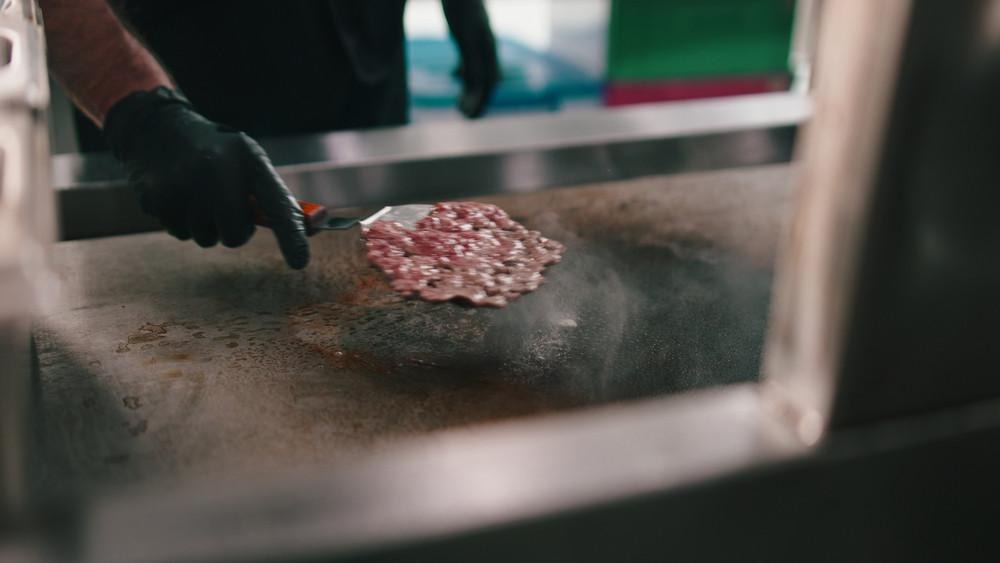
A hamburger and a grilled cheese sandwich are both familiar comfort foods, but combining the two creates something with its own identity. The patty melt pairs a seasoned beef patty with melted cheese and caramelized onions, typically pressed between slices of toasted rye bread. It is simple enough to recognize immediately, yet every part contributes something different to the finished sandwich. The crisp bread, savory beef, sweet onions, and creamy cheese make it a satisfying example of how a few ordinary ingredients can work together to create a memorable meal.
What Separates a Patty Melt From an Ordinary Burger?
At first glance, a patty melt might seem like a hamburger served on different bread. The difference becomes clearer with the first bite. A traditional burger bun is soft and slightly sweet, while rye bread offers a firmer texture and a distinctive flavor. When the bread is toasted in a skillet, its exterior develops a crisp surface that contrasts with the juicy beef and melted cheese inside.
The onions also play an important role. Raw onions provide sharpness and crunch, but slowly cooked onions become softer and sweeter. Their flavor balances the richness of the beef and cheese without requiring a long list of additional toppings.
Cheese selection changes the experience, too. Swiss cheese is a familiar choice because its mild, nutty flavor complements the onions and rye bread. Other cheeses can create a richer or sharper result, depending on the recipe. The appeal of the patty melt comes from these small details rather than an elaborate combination of ingredients.
Why Cooking Technique Makes Such a Difference
The patty melt depends on timing. If the beef is too thick, the bread may become overly dark before the center of the patty finishes cooking. If the heat is too low, the bread can absorb too much butter without developing the crisp exterior that gives the sandwich its character.
Caramelized onions require patience as well. Cooking sliced onions over moderate heat allows their moisture to evaporate gradually and their natural sugars to brown. Rushing this process with excessive heat can produce burnt edges while leaving the centers relatively firm. Properly softened onions bring a deeper flavor that works particularly well with beef.
The sandwich also benefits from being assembled thoughtfully. Cheese placed close to the hot patty melts more readily, helping the ingredients hold together. Pressing the sandwich gently against the cooking surface encourages even browning, but excessive pressure can squeeze out juices and flatten the filling too much.
These techniques explain why a patty melt can taste noticeably different from one kitchen to another, even when the ingredient list barely changes.
The Appeal of Comfort Food With a Little Contrast
Many beloved comfort foods depend on contrasts in texture and flavor. Macaroni and cheese combines tender pasta with a creamy sauce, while fried chicken pairs a crisp coating with moist meat. The patty melt follows the same principle through its toasted exterior, tender center, savory beef, and sweet onions.
Temperature adds another dimension. The bread should be hot and crisp, the cheese fully melted, and the beef warm throughout. Eating the sandwich soon after cooking preserves those differences. Letting it sit too long allows steam to soften the bread, reducing the contrast that makes each bite enjoyable.
Side dishes can reinforce the experience without competing with it. Crispy fries provide another crunchy element, while a pickle introduces acidity that cuts through the richness of the sandwich. A simple side salad offers a fresher alternative for anyone who wants something lighter alongside a hearty main course.
The best pairings do not necessarily need to be complicated. Sometimes, a familiar sandwich and one well-chosen side make a more satisfying combination than a plate crowded with unnecessary extras.
From the Home Skillet to the Local Restaurant
Making a patty melt at home allows cooks to adjust the ingredients to their preferences. Someone who enjoys a stronger onion flavor can add more caramelized onions, while another person might prefer extra cheese or a thinner patty. Rye bread is traditional, but experimenting with different breads can produce interesting variations.
Restaurant kitchens offer a different advantage: consistency and convenience. Preparing caramelized onions, cooking beef properly, and getting the bread evenly toasted all take attention, especially when several components need to finish at the same time. Ordering the sandwich allows diners to enjoy the result without managing every step themselves.
For people exploring the best restaurants in their area, familiar comfort foods can be a useful starting point when deciding where to eat. A classic sandwich provides a straightforward way to appreciate how a kitchen handles seasoning, cooking temperatures, and texture. It can also be an appealing choice for a casual lunch when a full entrée feels unnecessary, but a quick snack would not be enough.
Why Classic Sandwiches Continue to Earn Their Place
Food trends often introduce unusual ingredients, elaborate presentations, and combinations designed to attract attention. Classic sandwiches offer a different kind of appeal. Their ingredients are recognizable, their preparation is easy to understand, and their quality depends on getting the fundamentals right.
The patty melt demonstrates that principle particularly well. It does not need an extravagant topping or a complicated sauce to stand out. Its success depends on properly cooked beef, well-browned bread, melted cheese, and onions prepared with care.
That balance is what makes the sandwich worth revisiting. Whether prepared in a home kitchen or ordered during a casual meal out, a well-made patty melt shows how familiar ingredients can become something distinctive when each component serves a purpose.