
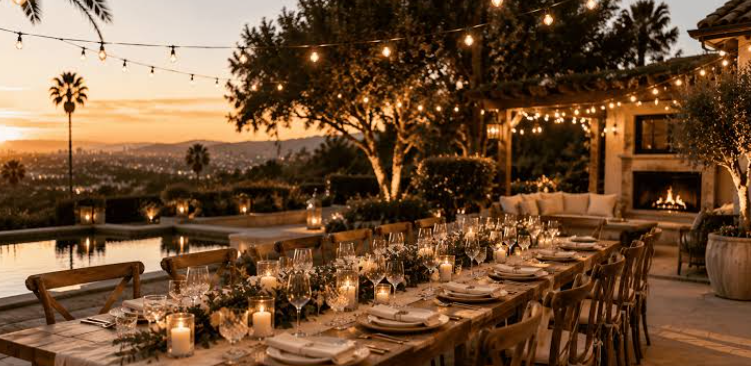
Planning an island event sounds like a dream: ocean views, warm weather, beautiful accommodations, and an unforgettable setting for your guests. But destination celebrations also introduce logistical challenges that rarely exist with a local event. Furniture may need to be sourced, personal belongings transported, accommodations coordinated, and dozens of small details managed across multiple locations.
Whether you are organizing a destination wedding, milestone birthday, anniversary, family reunion, or private retreat, successful island events depend on preparation. From working with a Los Angeles Party Rental Service before departure to coordinating transportation and finding the right place to stay when you
Explore Luxury Villas St. John, every decision can make the experience easier for hosts and guests.
Start Planning Earlier Than You Would for a Local Event
Destination events require more lead time because accommodations, transportation, vendors, and guest travel all need to work together.
Start by establishing the fundamentals: event date, estimated guest count, budget, destination, and type of celebration. Once those details are reasonably firm, you can begin researching venues, villas, transportation, catering, rentals, and other services.
For popular island destinations, booking early is particularly important. The villa or venue you want may have limited availability, especially during peak travel seasons.
Creating one master timeline can help keep everything organized. Include payment deadlines, vendor confirmations, travel bookings, shipping dates, guest responses, and final event details.
Think About the Event Experience Before Choosing Rentals
Furniture and décor should support the experience you want guests to have.
A formal dinner may require dining tables, chairs, linens, serving areas, and carefully planned lighting. A relaxed sunset cocktail party could benefit from lounge furniture, bar setups, cocktail tables, and comfortable conversational areas.
Before reserving anything, map out how guests will move through the event.
Where will they arrive? Where will drinks be served? Is there enough seating? Where will dinner happen? Will there be dancing? What happens if the weather changes?
Answering these questions first helps you choose rentals based on function instead of appearance alone.
Coordinate Rentals With Your Destination Vendors
If you are planning from Los Angeles, you may already have relationships with event professionals you trust. However, moving an entire rental inventory to an island destination is not always practical.
Discuss the event with your rental provider and destination planner to determine what should be sourced locally and what, if anything, needs to travel.
Your rental company can also help you think through layouts, furniture quantities, bar requirements, dance areas, and other logistical considerations before you arrive.
Having a clear design plan makes communication with destination vendors significantly easier because everyone is working toward the same vision.
Treat Moving and Shipping as a Separate Project
Transportation becomes more complicated when water separates your starting point and destination.
If you are relocating, spending an extended period on an island, or transporting substantial personal belongings, professional movers experienced with Hawaii or other island routes can help coordinate the process. Shipping timelines, packing requirements, freight arrangements, delivery access, and prohibited items should all be confirmed well before departure.
Do not assume everything can travel with you on the plane.
Separate your belongings into categories: items you need during travel, items required immediately upon arrival, event-related materials, and belongings that can arrive later.
Essential documents, medications, valuables, and irreplaceable items should generally remain under your direct control where appropriate.
Understand That Hawaii and St. John Require Different Logistics
An “island event” can describe very different travel situations.
Hawaii is in the Pacific and involves its own air, freight, and inter-island transportation considerations. St. John, in the U.S. Virgin Islands, is in the Caribbean and is commonly reached by traveling through St. Thomas before continuing by ferry or other transportation.
If your planning involves different island destinations, never assume the same logistics apply to both.
Confirm transportation routes, shipping requirements, local delivery capabilities, rental availability, and event regulations specifically for the island where your celebration will occur.
Choose a Villa That Works for the Event, Not Just the Photos
Luxury villas can provide a spectacular backdrop, but beautiful photographs do not automatically make a property suitable for hosting an event.
Before booking, ask whether events are permitted. Some properties limit the number of visitors, prohibit parties, restrict amplified music, or require approval for outside vendors.
You should also consider practical details such as parking, road access, kitchen facilities, outdoor areas, restrooms, power availability, noise restrictions, and weather backup options.
If guests are staying at the property, look closely at bedroom configurations rather than simply counting bedrooms. Couples, families with children, and individual guests may all have different accommodation needs.
Plan Guest Accommodations Strategically
Not every guest needs to stay in the same property.
For smaller celebrations, one large villa may accommodate most or all attendees. For larger events, several nearby properties can provide greater flexibility.
Try to minimize complicated transportation. If guests are spread across the island, you may need scheduled pickups or clearly communicated meeting points.
Share travel information early. Guests should know how to reach the island, how they will get from their arrival point to their accommodation, and whether they need to rent a vehicle.
A simple digital guide containing transportation instructions, event times, addresses, contact information, and recommended packing items can prevent dozens of individual questions.
Build the Event Around the Destination
One of the biggest mistakes in destination-event planning is trying to recreate an indoor city event in an island setting.
Use the destination as part of the experience.
Ocean views can reduce the need for elaborate backdrops. Sunset can influence cocktail-hour timing. Tropical surroundings may inspire lighter décor and more relaxed seating arrangements.
Food and beverages can also reflect the location. Work with local professionals who understand ingredient availability, climate, transportation, and service requirements.
The goal should be to enhance the destination rather than compete with it.
Have a Serious Weather Backup Plan
Outdoor island celebrations require contingency planning.
Beautiful weather can change quickly, and strong sun can be just as challenging as rain. Consider shade, hydration, wind, temperature, and the possibility of sudden weather changes.
Ask vendors what happens if an outdoor setup becomes impractical. Determine whether tents, covered areas, or indoor spaces are available and how quickly the event can transition.
Your backup plan should be developed before event day, not when the first clouds appear.
Keep the Guest Experience Simple
Guests are already making an extra effort to attend a destination event. Avoid creating unnecessary logistical work for them.
Provide clear information about flights, ferries, transportation, accommodations, dress codes, event schedules, and optional activities.
Do not overschedule every hour. Part of the appeal of an island destination is having time to enjoy it.
A welcome gathering, main celebration, and one optional group activity may create a better experience than filling several days with mandatory events.
Think Carefully About What You Ship
Destination events often encourage overpacking.
Before shipping décor or supplies, ask whether the item can be sourced locally. Transporting bulky furniture, disposable décor, or easily available products can add unnecessary cost and complexity.
Prioritize items that are difficult to replace or essential to the event’s identity. Custom signage, meaningful family pieces, specialty décor, or personalized guest items may justify transportation.
Everything else should be evaluated against local availability and transportation costs.
Give Yourself Time to Enjoy the Destination
Hosts sometimes spend so much time managing logistics that they barely experience the celebration they planned.
Assign responsibilities before event day. Your planner, venue contact, rental team, caterer, transportation provider, and other professionals should know who is responsible for each part of the event.
Avoid making yourself the primary contact for every vendor while guests are arriving.
Once the major logistics are delegated, you can focus on the reason everyone traveled in the first place.
Make Island Planning About Coordination, Not Complexity
A memorable island event does not need to be unnecessarily complicated. The key is separating the project into manageable parts: event design, rentals, transportation, accommodations, guest communication, and contingency planning.
Start early, confirm what can be sourced locally, and work with professionals who understand the logistical realities of your chosen destination. If belongings need to cross significant distances, establish a transportation plan well before the event. If St. John is the destination, research villas not only for their views but also for their suitability for your group and celebration.
When rentals, moving logistics, accommodations, and event planning work together, the destination itself can take center stage—and you can spend less time solving problems and more time enjoying the island with your guests.